Copper & Copper Alloys Castings
Copper & Copper Alloys
Conductivity, corrosion resistance and self-lubrication for bushings and bearings
Specialist foundry — Industrial Zone, Abu Zaabal, Qalyubia, Egypt
The European and American standards for cast copper alloys, covering bronze (copper-tin) and brass (copper-zinc).
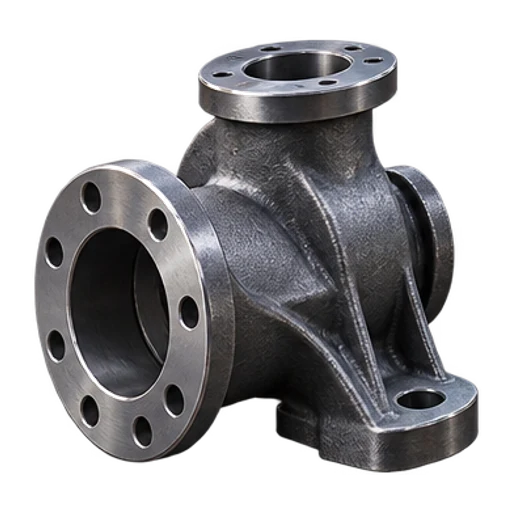
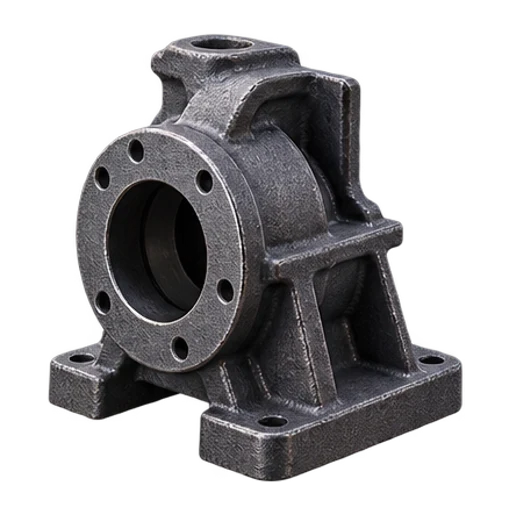
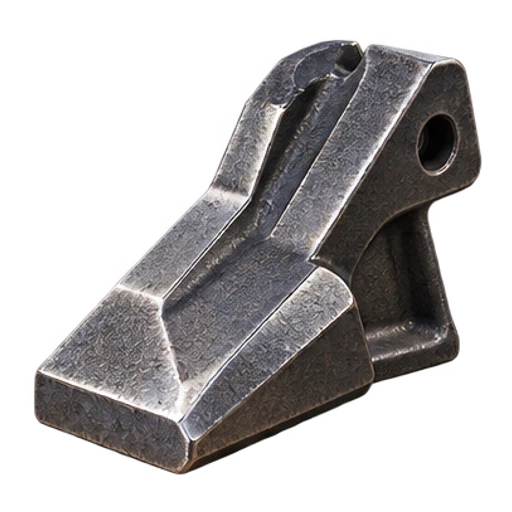
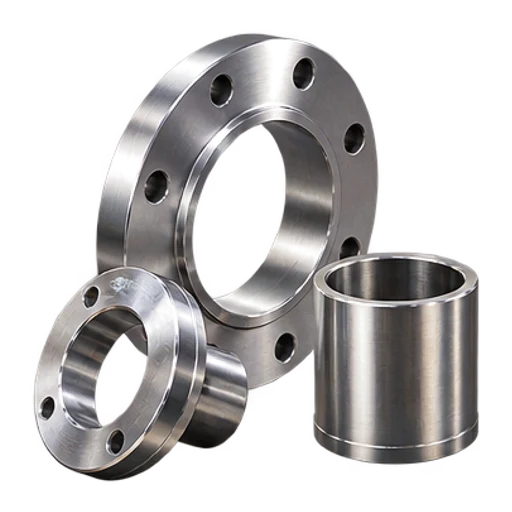
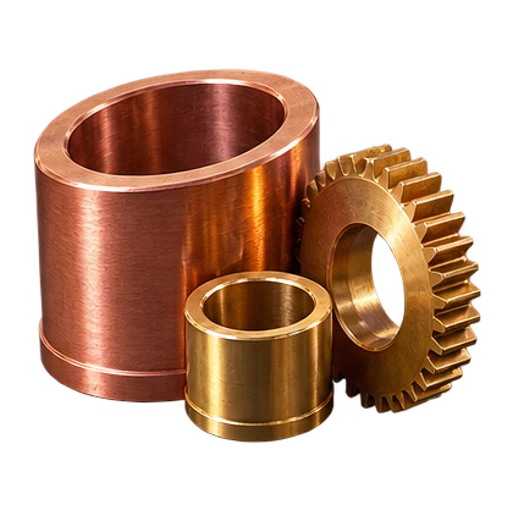
Copper and its alloys are chosen for reasons other than raw strength: electrical and thermal conductivity, natural corrosion resistance — especially in marine environments — and the self-lubricating behaviour that makes bronze the classic choice for bushings and bearings. As a copper foundry, we cast bronze and brass for bushings and bearings to sample or drawing.
Types of cast copper alloys
| Grade | Designation | Tensile N/mm² | Yield N/mm² | Elongation % | Hardness HB | Structure |
|---|---|---|---|---|---|---|
Pure copper Maximum conductivity — low strength | Cu — pure copper | — | — | — | — | — |
Bronze Copper + tin — for bearings and bushings | CuSn (Bronze) | — | — | — | — | — |
Brass Copper + zinc — excellent machinability | CuZn (Brass) | — | — | — | — | — |
Alloy proportions determine the properties completely in this family, so the standard alloy designation must be specified rather than simply saying "bronze" or "brass".
Chemical composition
The alloy composition is what determines behaviour here: tin gives bronze its friction resistance, while zinc gives brass its machinability.
Advantages
- •Excellent thermal and electrical conductivity
- •High corrosion resistance — especially in marine environments
- •Self-lubricating in friction applications
- •Excellent machinability
Limitations and considerations
- •High raw material cost
- •Lower mechanical strength than ferrous materials
- •Heavy relative to aluminium
Common applications
Sectors
International equivalents
Data sources and scope
The values above are taken from standard EN 1982 / ASTM B584 and represent the reference standard limits. The actual properties of any delivery are established by the foundry's analysis and test certificate for that specific heat, and are affected by section thickness, casting conditions and heat treatment. Final material approval for any application is subject to a joint technical review with our engineering team.
Need a casting in Copper & Copper Alloys?
Send your drawing or sample — our technical team will review it and recommend the most suitable grade.