High-Chromium White Iron Castings
High-Chromium White Iron
The first choice wherever abrasion is the number one enemy
Specialist foundry — Industrial Zone, Abu Zaabal, Qalyubia, Egypt
The American standard for white iron resistant to abrasion and wear, divided into classes and types according to chromium content.
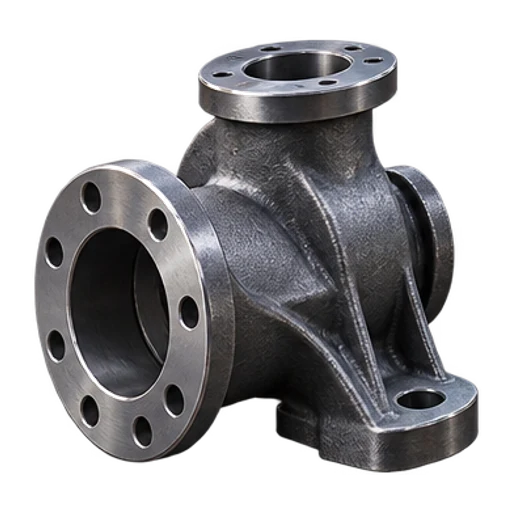
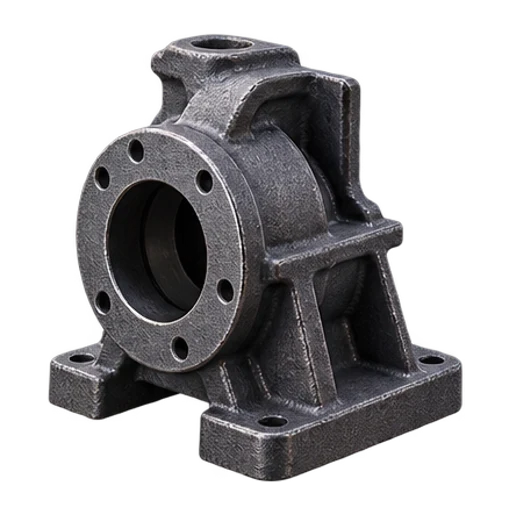
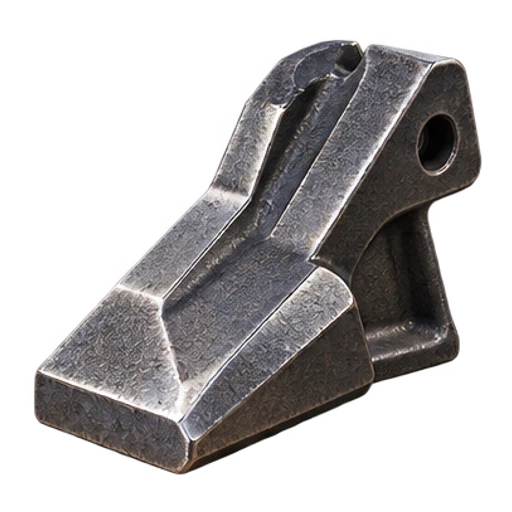
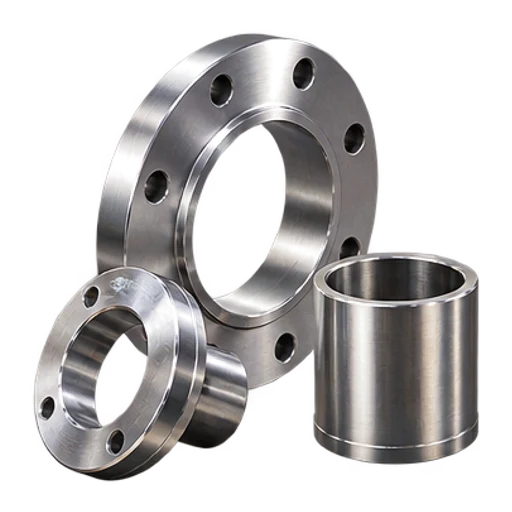
This is not a structural material but a wear-resistant one first and foremost. The high chromium forms very hard carbides inside the structure, and it is these that withstand friction and abrasion. The logical trade-off: very high hardness together with brittleness, so it is not used where severe impact loads exist. As a high-chrome iron foundry, we produce wear and abrasion resistant parts to your drawing or sample.
The most used classes to ASTM A532
| Grade | Designation | Tensile N/mm² | Yield N/mm² | Elongation % | Hardness HB | Structure |
|---|---|---|---|---|---|---|
15Cr-3Mo Balance between wear resistance and cost | Class II Type A | — | — | — | — | Carbides in a metallic matrix |
25Cr Highest wear and corrosion resistance | Class III Type A | — | — | — | — | High chromium carbides |
Note that the acceptance criterion here is hardness, not tensile strength — because the functional purpose is wear resistance. The standard distinguishes hardness in the as-cast condition from the heat-treated condition, and the difference between them is large and must be specified in the purchase order.
Chemical composition
Unlike ductile and grey iron, composition is binding in this standard because it determines the type and volume of carbides formed, and therefore the wear performance.
Advantages
- •Exceptional abrasion and gouging resistance
- •Good corrosion resistance in abrasive environments
- •Much longer service life in grinding environments
Limitations and considerations
- •Brittle — unsuitable for severe impact loads
- •Difficult to machine (usually requires grinding)
- •Not weldable by conventional methods
Common applications
Sectors
International equivalents
Data sources and scope
The values above are taken from standard ASTM A532 and represent the reference standard limits. The actual properties of any delivery are established by the foundry's analysis and test certificate for that specific heat, and are affected by section thickness, casting conditions and heat treatment. Final material approval for any application is subject to a joint technical review with our engineering team.
Need a casting in High-Chromium White Iron?
Send your drawing or sample — our technical team will review it and recommend the most suitable grade.